Best commercial rubbish removal for Hatch End shops and offices
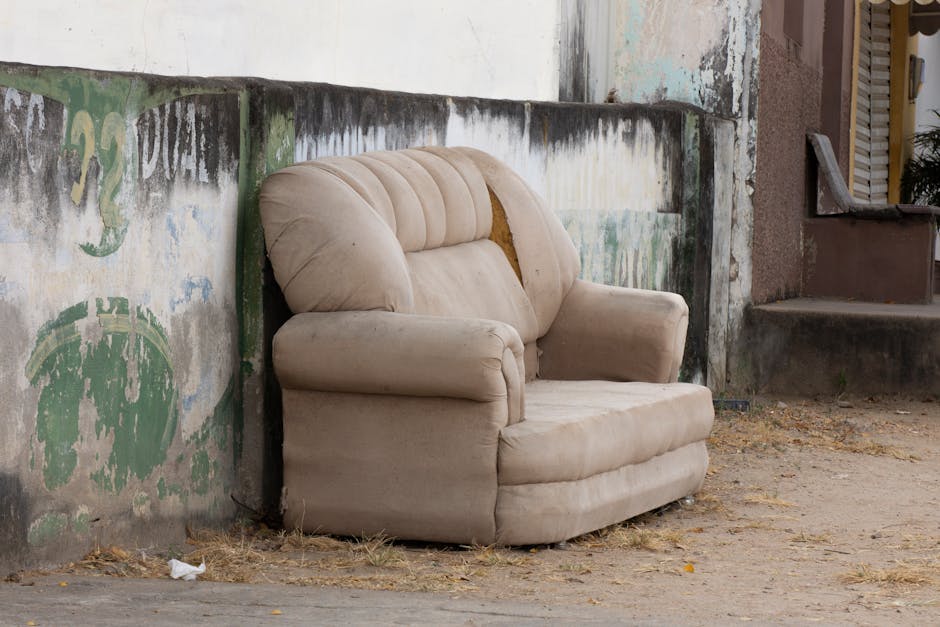
If you run a shop, office, salon, practice, studio, or small workplace in Hatch End, rubbish has a habit of appearing at the worst possible moment. One day it is a few cardboard boxes and a broken chair; the next it is packaging, old stock, file bags, a dead fridge, and a back room that is starting to feel less like storage and more like a trap. The best commercial rubbish removal for Hatch End shops and offices is the service that clears it quickly, handles it properly, and does not disrupt your working day.
That sounds simple, but the details matter. For businesses, waste is not just an eyesore. It can affect customer impression, staff safety, storage space, compliance, and even how smoothly deliveries or refurbishments run. This guide breaks down what reliable commercial rubbish removal looks like, how it works, what to check before you book, and how to avoid the awkward, expensive mistakes that can creep in when you are busy.
- Why commercial rubbish removal matters
- How it works in practice
- Key benefits and practical advantages
- Who needs this service and when it makes sense
- Step-by-step guidance
- Expert tips for better results
- Common mistakes to avoid
- Tools, resources and recommendations
- Law, compliance, standards, and best practice
- Options, methods, and comparison table
- Case study or real-world example
- Practical checklist
- Conclusion
- Frequently asked questions
Why Best commercial rubbish removal for Hatch End shops and offices Matters
Commercial waste is different from household rubbish. A business space often produces mixed materials: broken shelving, office furniture, kitchen waste, printer boxes, retail packaging, old displays, and confidential paperwork. If those items pile up, the problems tend to spread faster than people expect. A crowded stockroom slows staff down. A cluttered office feels harder to manage. Customers notice, even if they do not say anything.
In a busy Hatch End shop, a tidy front of house matters because it affects trust. In an office, a clean workspace supports productivity and reduces those small daily frictions that make everything feel harder. Nobody wants to step around a stack of obsolete chairs to get to a filing cabinet. And let's face it, waste left too long has a way of becoming "someone else's job", which usually means it never gets sorted properly.
There is also the issue of disposal type. Not everything can go in the same load, and not every waste carrier handles business rubbish the same way. Items like electrical equipment, fridges, or anything potentially hazardous need more care. That is where a proper commercial rubbish removal service earns its keep: it separates, loads, transports, and disposes of items in a way that is more orderly and far less stressful than trying to bodge it yourself.
If your business is preparing for a refit, downsizing, stock rotation, or an end-of-lease clear-out, professional help becomes even more valuable. You need the place cleared without drama, ideally before the next trading day, not after three hours of frustrated lifting and a questionable van hire. Truth be told, that is rarely the bargain it first looks like.
How Best commercial rubbish removal for Hatch End shops and offices Works
Good commercial rubbish removal is usually straightforward from the client side, but there is a lot happening behind the scenes. The process generally starts with a description of what needs removing. For businesses, the clearer you are at the outset, the smoother the whole thing becomes.
Typical steps include:
- Assessment of the waste: You explain the type and volume of items, whether it is mixed office waste, shop fixtures, appliances, furniture, or post-refurbishment debris.
- Booking a suitable time: Commercial collections are often arranged around opening hours, delivery slots, or quieter periods to reduce disruption.
- Arrival and loading: The team comes in, clears the items, and removes them without leaving you to do the heavy lifting.
- Sorting and separation: Reusable, recyclable, and non-recyclable materials are separated where possible.
- Transport and disposal: The waste is taken away for the appropriate route, depending on the material type.
For many Hatch End businesses, the main attraction is flexibility. You might only need a one-off collection after a clear-out, or you might need regular rubbish removal because your back room fills up quickly. A sensible provider should be able to handle both. Some jobs are very small and neat; others are more like a "how did all this fit in here?" moment. Both are normal.
If the waste includes office files, customer records, or sensitive paperwork, a separate confidential shredding process may be useful. That is especially relevant for offices, accountants, clinics, solicitors, or any business that handles personal data. A clear process matters there, because "we binned it carefully" is not a proper record of disposal. It really isn't.
Where furniture or appliances are involved, it helps to choose a provider that can manage the lot in one visit. That can include desks, filing cabinets, chairs, shelving, fridges, and other awkward items that most teams do not want to dismantle themselves. For those jobs, related services such as office clearance, furniture disposal, and fridge and appliance removal can be especially useful.
Key Benefits and Practical Advantages
The best commercial rubbish removal for Hatch End shops and offices should do more than make the space look better for a day. It should make your business easier to run. That is the real value.
1. Less disruption to trading
A good collection is planned around your working day. That means less noise, less clutter, and fewer awkward interruptions near your customers or staff.
2. Better first impressions
A tidy entrance, stockroom, or office signals control. People notice when a business is organised. They also notice when it is not. A pile of old packaging by the door never says "professional", does it?
3. Safer working conditions
Loose waste, broken furniture, and overloaded storage areas create trip hazards and awkward access points. Clearing them helps reduce everyday risk.
4. More usable space
Businesses are often paying for square footage that gets swallowed by old stock or redundant items. Clear it, and suddenly a back room becomes useful again.
5. Easier compliance and better disposal practice
A proper service helps you avoid careless disposal mistakes, especially when dealing with electricals, mixed waste, or items that need special handling.
6. Reuse and recycling opportunities
A careful provider will look for items that can be recycled or diverted from disposal where possible. For businesses that want to improve their sustainability approach, this can be a meaningful advantage. More on that later.
7. Faster turnaround for refits or relocations
If you are changing layout, closing a unit, or preparing an office move, waste removal keeps the project moving. Without it, everything tends to stall in a corner, waiting to be dealt with "tomorrow".
Expert takeaway: Commercial rubbish removal works best when it is planned as part of the business operation, not treated as an emergency after the pile becomes unmanageable.
Who This Is For and When It Makes Sense
This service suits a wide range of Hatch End businesses, especially those that generate waste in uneven bursts rather than in a neat daily rhythm. If that sounds familiar, you are not alone.
It is often a good fit for:
- Retail shops replacing stock, fixtures, or promotional displays
- Offices clearing desks, chairs, monitors, filing cabinets, and general clutter
- Cafes and small hospitality spaces removing kitchen items, packaging, or broken appliances
- Clinics and professional practices disposing of worn furniture and non-clinical waste
- Landlords and managing agents preparing business premises for new tenants
- Businesses after a refurb, fit-out, or strip-out
- Any workplace that needs a one-off purge or a repeat clearance arrangement
It also makes sense if your team is wasting time managing rubbish instead of doing proper work. That is often the real trigger. Not the mess itself, but the fact that the mess starts eating into the day. A receptionist should not have to negotiate around old boxes to answer the phone. A manager should not spend lunch break trying to work out whether a damaged cabinet can be broken down safely. No one signed up for that.
If your main problem is office clutter rather than mixed business waste, a dedicated office clearance service may be the cleaner option. For larger mixed loads, a broader business waste removal approach is often more practical.
Step-by-Step Guidance
Here is the easiest way to handle commercial rubbish removal without turning it into a mini project that drags on for weeks.
- Walk the space first. Identify what is actually going, not just what feels like clutter. Separate rubbish from equipment, stock, furniture, and anything that might need special handling.
- Group the items by type. Paper and card, general waste, furniture, electrical items, and heavy mixed materials should be listed separately if possible.
- Check access. Make a quick note of stairs, narrow entrances, lift access, parking limits, loading restrictions, and opening times. This sounds basic, but it saves headaches.
- Ask for a quote based on the real load. Photos help. So does describing whether items are bulky, stacked, or dismantled.
- Prepare the area. Clear a route if you can, move breakables, and decide what must stay. A five-minute preparation can save twenty minutes of faffing around.
- Schedule around business flow. Early morning, late afternoon, or a quieter weekday slot often works best for shops and offices.
- Request the right disposal route for special items. If you have confidential papers, fridges, or potentially hazardous waste, say so before the collection.
- Keep your records. For business waste, it is sensible to retain notes, invoices, or waste transfer details where provided, especially if your internal processes require them.
A small practical tip: do not leave sorting until the crew is already on site if you can avoid it. The collection goes faster when the business has made a decision on what is staying and what is going. You will feel the difference immediately. Less standing around. Less second-guessing. Much better energy in the room.
Expert Tips for Better Results
If you want a cleaner, smoother experience, a few simple habits make a big difference. None of this is complicated, but it does pay off.
- Be specific about the waste mix. "A bit of office stuff" is not as useful as "eight desks, four office chairs, one fridge, and six bags of paperwork."
- Separate the obvious recyclables. Cardboard, some metals, and certain clean materials may be easier to route properly when already grouped.
- Flag awkward items early. Anything oversized, fixed, sharp, leaking, or unusually heavy should be mentioned at booking stage.
- Ask how access affects pricing. Upstairs offices, limited parking, or no-lift access can change the time required. Better to know upfront.
- Plan with trading hours in mind. For retail spaces, even a short clear-out can become disruptive if it clashes with a busy customer window.
- Keep a small ongoing purge routine. A monthly half-hour review of clutter can stop waste building into a bigger job.
One little thing people often overlook: storage waste tends to hide in plain sight. That battered shelf in the back room. The dead monitor in the corner. The broken display unit nobody quite claimed. Once you start noticing these things, the room looks different. A bit lighter, oddly enough.
If sustainability is part of your business story, see how a provider approaches reuse and recycling by reviewing their recycling and sustainability information. That can help you choose a partner whose process feels aligned with your values, not just your rubbish problem.
Common Mistakes to Avoid
Most clearance problems are avoidable. The awkward part is that they usually only become obvious when you are already halfway through the job. So, a quick warning from experience.
- Not checking what counts as business waste. Mixed loads can include items needing special handling, and they should not be treated as generic rubbish.
- Guessing the volume. Underestimating the amount of waste leads to delays or extra visits. Overestimating can make planning clumsy and expensive.
- Leaving the sorting for collection day. That is a common one. It usually creates confusion and slows the team down.
- Forgetting about paperwork and data. Offices often store old files, records, and devices that should be handled carefully.
- Ignoring access problems. A van cannot magic itself into a loading bay. If parking or building access is tight, say so early.
- Choosing on price alone. The cheapest option can be fine sometimes, but not if it means poor communication, slow timing, or messy handling.
There is also the old mistake of treating all waste as though it has the same destination. It doesn't. Fridges, office equipment, and bulky furniture can all require different handling routes. If you have appliances, a dedicated appliance clearance route may help you avoid confusion and keep things organised.
Tools, Resources and Recommendations
You do not need sophisticated tools to get this right, but a few practical resources make the job easier. Most of them are just common sense dressed up in an organised way.
Useful tools for the business side:
- A simple inventory list of items to remove
- Phone photos of the waste area and large items
- A rough floor plan or access note for busy premises
- A basic internal approval process for office or tenant clear-outs
- Secure storage for any confidential papers before shredding
Useful service pages to review if your load is more specific:
- general waste removal for broader mixed clearances
- builders waste clearance if the job follows a fit-out or small refurb
- confidential shredding for documents and sensitive paper waste
- hazardous waste disposal if anything risky or specialist is involved
- book online when you want to arrange a collection quickly
- pricing and quotes if you want to understand how estimates are usually put together
And if your workspace also includes old sofas, reception seating, or breakout-room furniture, you may find the related furniture services useful too. Those jobs tend to be the ones that look deceptively simple until you try to move them through a narrow doorway.
Law, Compliance, Standards, and Best Practice
Commercial waste handling in the UK should be approached carefully. You do not need to become a compliance specialist just to clear out a shop or office, but you do need to use sensible business waste practice. That means using a legitimate waste carrier, understanding what you are passing over, and keeping a record of disposal where appropriate.
For businesses, a few principles matter most:
- Duty of care: You should take reasonable steps to ensure your waste is handled responsibly.
- Correct segregation: Keep obvious categories separate where possible, especially if items need specialist disposal.
- Confidential material control: Paper records and data-bearing devices should not just be left in open bins.
- Safe handling: Heavy furniture, broken fittings, and electrical items should be moved without creating avoidable risk.
That is the plain-English version. The practical version is even simpler: choose a service that acts like a professional partner, not just a pair of hands. Ask how they handle sorting, lifting, and disposal. Ask what happens to recyclables. Ask about safety and insurance. These are sensible questions, not fussy ones.
If you want reassurance on operational standards, it can help to review pages such as health and safety policy, insurance and safety, payment and security, and even terms and conditions before booking. That kind of diligence is not overkill. It is just smart.
Options, Methods, and Comparison Table
There are usually a few ways to deal with commercial rubbish. The best choice depends on the volume, timing, and type of waste. Here is a simple comparison to help you decide.
| Method | Best for | Pros | Watch-outs |
|---|---|---|---|
| One-off commercial rubbish removal | Clear-outs, refurbishments, stock changes, office resets | Fast, flexible, minimal disruption | Needs good pre-sorting and clear access details |
| Regular business waste collections | Ongoing waste from retail, office, or hospitality use | Predictable routine, less build-up | May be less ideal for bulky items or sudden clear-outs |
| Skip-based removal | Larger volume jobs with enough space on site | Useful for mixed bulky waste during longer projects | Space, permits, loading limits, and item restrictions matter |
| Specialist add-ons | Confidential paper, appliances, hazardous items | Better handling for specific risks | Requires upfront identification of the item type |
In some cases, a skip is the right call. In others, it is overkill. If you are not sure, it may help to compare your load with guidance on what can go in a skip. That can clarify whether your waste is straightforward or needs a more tailored pickup.
For many Hatch End shops and offices, the most practical option is a flexible removal team that can clear mixed items in one go. It keeps the disruption low and the decision-making simple. Which, to be fair, is usually exactly what busy businesses need.
Case Study or Real-World Example
Picture a small office above a Hatch End retail unit. Over a few months, the spare room becomes the place where old monitors, out-of-use chairs, archive boxes, and a broken printer go to disappear. Not intentionally, of course. It just happens. Someone says, "We'll sort it later," and later keeps moving.
Then the business decides to refresh the workspace before a new client cycle begins. Staff need the room for storage and a small meeting area, but the clutter is taking up nearly half the space. The team starts by separating the clear waste: cardboard, redundant furniture, a few small electrical items, and several bags of general rubbish. They also identify one box of paperwork that needs confidential shredding rather than standard disposal.
The clearance is scheduled for an early slot so it does not interrupt customer-facing hours downstairs. The removal team clears the bulky items first, then handles the mixed waste, and the office is left with a proper, usable room instead of a low-grade storage cave. The result is not dramatic in a cinematic sense, but it is hugely practical. Staff can move properly again. The room feels calmer. Less echo, less clutter, less "we should really deal with this."
That kind of job is typical. Nothing glamorous. Just the kind of cleanup that gives a business back its space.
Practical Checklist
Use this before booking commercial rubbish removal for a Hatch End shop or office. It saves time, and it avoids that panicky feeling when the van is already outside.
- List every item or waste type you want removed
- Separate furniture, paper, electricals, and general waste where possible
- Identify anything confidential, fragile, heavy, sharp, or unusual
- Take a few clear photos of the load and access points
- Check opening hours, parking, stair access, and loading restrictions
- Decide whether the job needs a one-off clearance or ongoing waste support
- Confirm whether any items need special handling or disposal routes
- Review pricing, payment process, and any terms before approving the job
- Prepare the space so the crew can start quickly
- Keep any disposal records or receipts your business may need
If you want to understand the company behind the service, it can also help to read the about us page and the recycling and sustainability information. Those pages give you a better feel for how the business works, which is often reassuring when you are handing over responsibility for bulky, messy, or sensitive items.
Conclusion
The best commercial rubbish removal for Hatch End shops and offices is not just about taking waste away. It is about doing it in a way that keeps your business moving, protects staff and customers, supports better disposal habits, and saves you from losing time to clutter. The right service should feel calm, organised, and easy to deal with from the first enquiry to the final sweep of the floor.
When you are choosing a provider, think about more than price. Look at flexibility, communication, item handling, recycling approach, and whether the service fits the real shape of your workplace. A good clearance partner makes the whole thing feel lighter. And in a busy business week, that matters more than people sometimes admit.
Get a free quote today and see how much you can save.
And if your office or shop has been quietly collecting "temporary" clutter for months, that is alright. It happens. The nice part is that it can be cleared, and the space can feel like yours again.
Frequently Asked Questions
What counts as commercial rubbish for shops and offices?
Commercial rubbish usually means waste created by a business rather than a household. That can include packaging, broken furniture, office clutter, display items, stock waste, electricals, and general mixed rubbish from day-to-day operations.
Is commercial rubbish removal different from ordinary household clearance?
Yes. Business waste often involves mixed materials, heavier items, confidential paperwork, and tighter scheduling around trading hours. It may also need more careful handling for compliance and safety reasons.
Can a rubbish removal team clear office furniture as well?
Often, yes. Desks, chairs, cabinets, shelving, and meeting-room furniture are common office clearance items. If you have a full office refresh, a combined clearance can be much easier than arranging separate pickups.
What should I do with confidential papers before collection?
Keep them separate from general waste and arrange a proper shredding route if needed. Do not leave sensitive documents mixed in with ordinary rubbish if they contain staff, client, or customer information.
How do I know whether I need a skip or a removal service?
It depends on volume, access, and item type. A skip can suit larger projects with space on site, but a removal service is often better for bulky items, awkward access, or jobs that need a quicker, tidier turnaround.
Can electrical items be removed with general waste?
Not always. Electrical and electronic items often need separate handling. If your clearance includes monitors, printers, fridges, or similar items, mention them early so they are dealt with correctly.
How far in advance should I book a commercial clearance?
As early as you can, especially if the job needs to fit around opening hours or a planned move. That said, many clearances are arranged quite quickly when the details are clear and access is straightforward.
What affects the price of commercial rubbish removal?
Typical factors include the amount of waste, the type of items, how easy it is to access the site, whether special handling is needed, and how much labour the job will take. Photos and a good description help make the quote more accurate.
Do I need to sort the waste before collection?
It helps a lot, but you do not always need to do everything yourself. A basic separation of obvious categories like furniture, paper, and general rubbish makes the job smoother and can reduce confusion on the day.
Is commercial rubbish removal suitable for small businesses?
Absolutely. Small shops, offices, salons, and practices often benefit the most because even a modest amount of clutter can take up precious space very quickly. A one-off clearance can make a surprising difference.
What happens to items after they are collected?
That depends on the item type and the provider's process. Some items may be recycled, some may be reused where appropriate, and others will be disposed of through the correct waste route. A good provider should be able to explain this clearly.
Can I arrange removal around my trading hours?
Usually, yes. For shops and offices, timing is often arranged to limit disruption. Early mornings, quieter periods, or after-hours slots may be the best fit depending on the site and the job.
Where can I learn more about the company and its policies?
You can review the about us page, along with pages on health and safety, insurance and safety, and terms and conditions to understand the service approach before you book.
What if I am not sure which service I need?
That is common. Start by describing the waste, the access, and your timing needs. If the load is mostly office clutter, office clearance may fit. If it is mixed business waste, a broader removal service may be more suitable. A clear conversation usually sorts it out quickly.